
The Future of Fashion Is Not Just About What We Wear
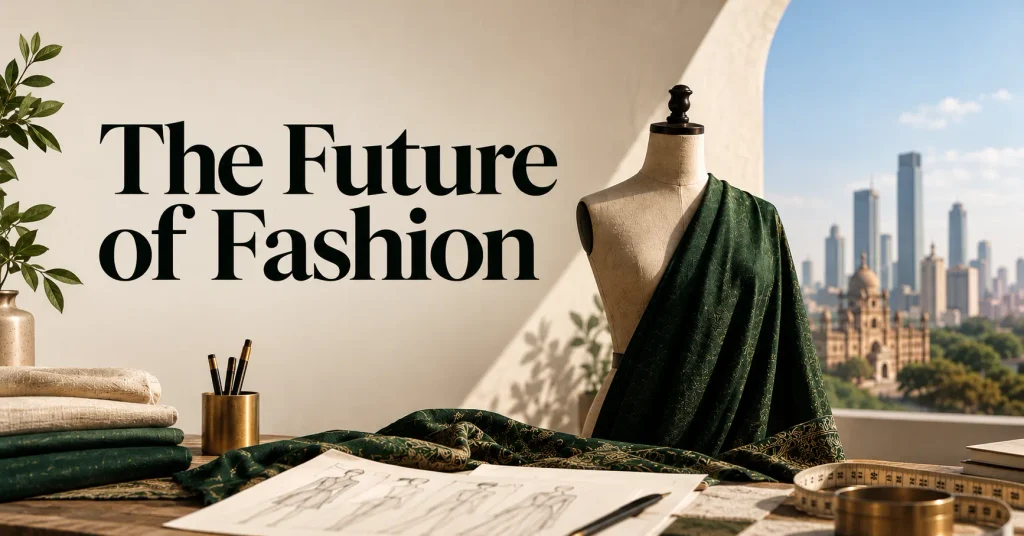
The future of fashion is about more than clothing. It represents identity, culture, craftsmanship, creativity and business. Increasingly, it also reflects the way people live, think and express themselves. Through my work in fashion and entrepreneurship, one thing has become increasingly clear to me: the future of fashion will not be shaped by design alone. […]
The future of fashion is about more than clothing.
It represents identity, culture, craftsmanship, creativity and business. Increasingly, it also reflects the way people live, think and express themselves.
Through my work in fashion and entrepreneurship, one thing has become increasingly clear to me: the future of fashion will not be shaped by design alone. It will be shaped by how intelligently brands understand people, develop products and create lasting value.
The industry is changing quickly. Consumers are becoming more aware of what they buy, where products come from and what a brand truly represents. At the same time, technology is transforming the way brands design, present, market and sell their products.
However, technology is only one part of the equation.
The strongest brands will combine technology with human understanding, creativity and a clear point of view.
1. The Future of Fashion: From Product to Perspective
A product can be manufactured. A brand has to be built.
That difference matters.
A successful fashion business needs a strong product, but it also needs a distinct perspective. It needs to understand its customers, recognize changing cultural influences and evolve without losing its identity.
In today’s market, simply creating another product is rarely enough. Customers have more choices than ever before, so brands need to give people a reason to remember them.
That reason can come from design, quality, craftsmanship, storytelling or the values behind the business.
Ultimately, people may buy a product, but they connect with what that product represents.
2. India’s Opportunity
This is particularly important for India.
India already has an extraordinary foundation in textiles, craftsmanship, apparel and design. Generations of knowledge have created a deep understanding of materials, techniques and production.
However, India’s opportunity goes far beyond producing products for other markets.
We have the potential to build Indian businesses and brands that think globally while retaining their own identity.
That means moving from simply being part of the supply chain to creating products, experiences and brands that people around the world actively seek.
The opportunity is not only to make for the world.
It is to build for the world.
3. Building for the Long Term
Entrepreneurship has taught me that meaningful growth rarely comes from a single decision.
Instead, it comes from a series of decisions made consistently over time — the products we develop, the people we work with, the markets we enter and the standards we choose to maintain.
Fashion makes this challenge even more interesting because creativity and commercial thinking must work together.
Creativity gives a brand its character. Business discipline gives that creativity the structure to grow.
Too much creativity without business discipline can make a company difficult to sustain. On the other hand, too much focus on commercial decisions can make a brand lose the creativity that made it distinctive in the first place.
The real challenge is finding the right balance.
For me, building for the long term means creating something that can continue to grow without losing its original purpose.
4. Where Technology Fits
Technology is already changing the fashion ecosystem.
Artificial intelligence, digital commerce, data and new creative tools are helping businesses work faster and make better decisions. They are also changing how brands create content, understand customers and communicate with their audiences.
However, technology itself does not create a meaningful brand.
A tool can help create an image. It can help analyze information. It can help a team work more efficiently.
But it cannot replace the reason behind a product.
That distinction will become even more important as technology becomes easier for everyone to access.
When powerful tools become widely available, the tools themselves become less of a competitive advantage.
Instead, taste, perspective, creativity and execution become more valuable.
5. Technology is already changing the fashion ecosystem.
I believe the best use of technology is not to remove the human element from fashion, but to strengthen it.
Technology can help creative teams explore ideas faster. It can help businesses understand their customers more clearly. It can reduce repetitive work and give people more time to focus on strategy and creativity.
In this way, technology becomes a multiplier.
It allows a small team to think bigger, move faster and experiment more efficiently.
But the foundation still has to come from people.
A meaningful product starts with an idea. A meaningful brand starts with a point of view. Technology can support both, but it cannot create that purpose on its own.
6. Heritage and Innovation
India does not need to choose between heritage and innovation.
In fact, I believe our greatest opportunity lies in bringing them together.
Traditional craftsmanship can inspire contemporary design. Indian textile knowledge can support modern product development. Cultural stories can become part of global brand identities.
The goal should not be to preserve tradition by keeping it unchanged.
Instead, we should allow it to evolve.
Heritage gives us a foundation. Innovation gives us a direction.
When the two work together, Indian businesses can create products that feel authentic while remaining relevant to a modern global audience.
7. The Next Generation of Indian Fashion Businesses
I believe India’s strongest opportunity lies at the intersection of craft, creativity, technology and entrepreneurship.
The next generation of businesses will need to think beyond individual products.
They will need to understand their customers, build strong identities and create experiences that extend beyond the transaction.
More importantly, they will need to think globally from the beginning.
That does not mean every brand needs to become international. It means businesses should build with a level of quality, clarity and ambition that can stand alongside the best brands anywhere in the world.
For entrepreneurs, this creates an exciting opportunity.
We can build businesses that respect where we come from while remaining focused on where we want to go.
8. Creating Value Beyond the Product
For me, entrepreneurship is ultimately about creating something that can exist beyond the individual who started it.
It begins with an idea, but an idea alone is not enough.
You need direction. You need people. You need discipline. You need the ability to adapt when the market changes.
Most importantly, you need a reason to keep building.
Fashion happens to be one of the most exciting industries in which to do this because it brings together creativity, culture, commerce and human behaviour.
A garment may be the starting point, but the larger opportunity lies in everything built around it — the brand, the experience, the community and the meaning.
9. Looking Ahead
The future of fashion will belong to businesses that understand this bigger picture.
India already has many of the foundations required to become an even stronger force in global fashion. We have the talent, craftsmanship, manufacturing capabilities, creative energy and entrepreneurial ambition.
Now, the opportunity is to connect these strengths.
We should not think only about how much we can produce.
We should also ask how much value, identity and meaning we can create.
For me, that is where the future of fashion becomes truly interesting.
Because fashion is not simply about what we wear.
It is about what we create, what we represent and what we leave behind.
— Virat Koomar
Founder & Creative Director
Technology is changing how fashion brands design products, create content, understand customers and operate their businesses. Artificial intelligence, digital commerce and data-driven decision-making are making it easier for businesses to work faster and experiment with new ideas.
India has strong foundations in textiles, craftsmanship, apparel manufacturing and design. The larger opportunity is to move beyond manufacturing and build distinctive Indian products and brands that can compete in global markets.
Absolutely. Traditional craftsmanship can provide the foundation for contemporary fashion. By combining Indian textile knowledge and craft techniques with modern design, technology and global perspectives, brands can create products that feel both authentic and relevant.
Successful fashion brands will need more than good products. They will need a clear identity, strong customer understanding, consistent quality, creative thinking and the ability to use technology intelligently. Most importantly, they will need to create lasting value rather than focus only on short-term trends.
Virat Koomar
Founder
LATEST BLOGS
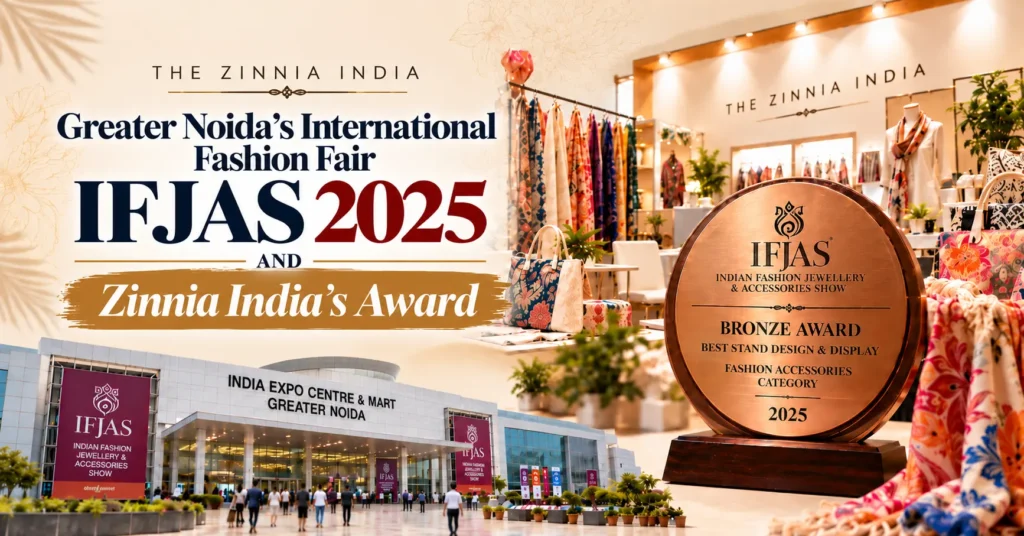
Greater Noida’s International Fashion Fair: IFJAS 2025 and Zinnia India’s Award
The fashion industry is shaped not only by designers and brands but also by the manufacturers, exporters, artisans and businesses...
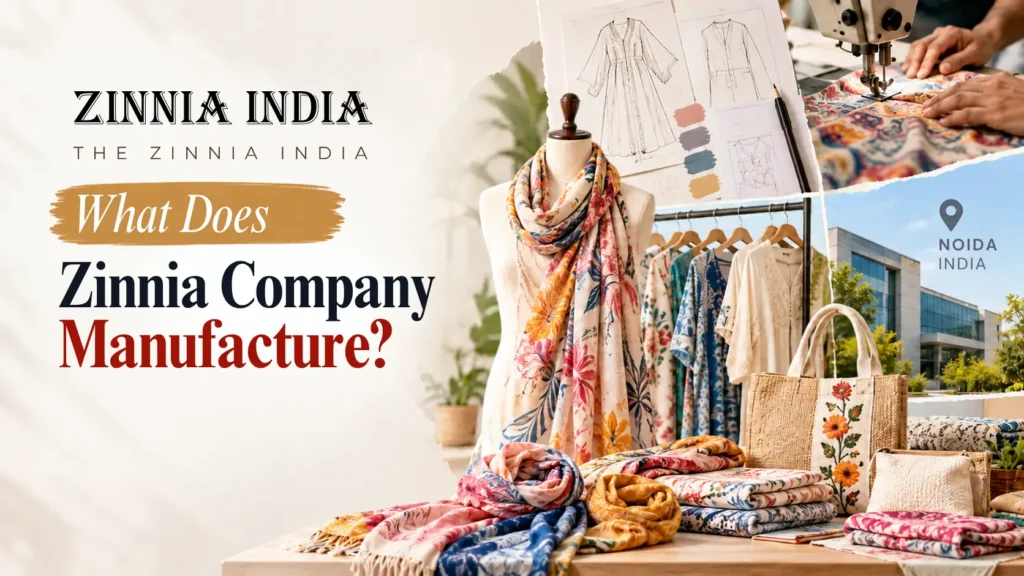
Zinnia Company: What to Know About The Zinnia India
The Zinnia India is a fashion manufacturing and export company based in Noida, Uttar Pradesh. Established in 2004, the company...
What a Fashion Trade Fair Teaches You That the Internet Never Will
The fashion industry has changed dramatically with the growth of digital platforms. Today, designers can explore international collections, manufacturers can...