
How Textile Dyeing Changes the Character of Fabric
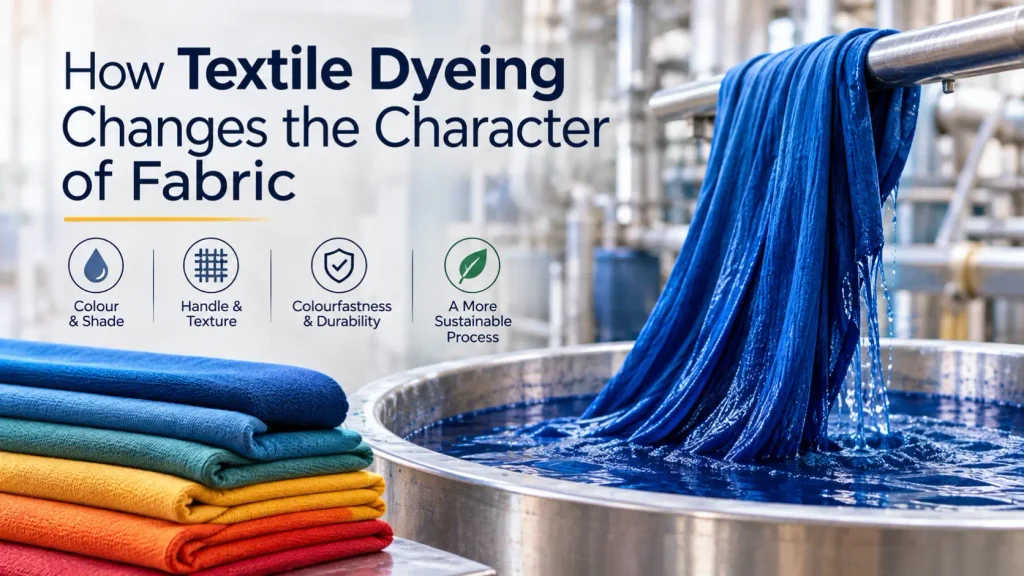
Colour is often one of the first things we notice about a fabric. But in textile manufacturing, dyeing is not simply the process of adding colour to a piece of cloth. The stage at which a textile is dyed, the preparation of the material, the dye system used and the conditions under which the dyeing […]
Colour is often one of the first things we notice about a fabric.
But in textile manufacturing, dyeing is not simply the process of adding colour to a piece of cloth. The stage at which a textile is dyed, the preparation of the material, the dye system used and the conditions under which the dyeing takes place can all influence the final character and performance of the fabric.
A fabric can look different after dyeing. It can also feel different, behave differently and require different finishing treatments.
This is why textile dyeing is an important part of fabric development.
The colour seen on the finished garment is only one result of the process.
1. What Is Textile Dyeing?
Textile dyeing is the application of colour to a textile material with a degree of permanence.
The material being dyed may be fibre, yarn, fabric or, in some cases, a finished garment. Dyeing can take place at different stages of textile production depending on the desired result and manufacturing method.
During dyeing, colourants interact with the textile substrate. Depending on the dye class and fibre, the colour may be fixed through chemical or physical mechanisms.
The process normally involves more than simply placing fabric into coloured water. Preparation, controlled temperature, time, chemistry, fixation and washing can all be important to achieving the required shade and performance.
2. Dyeing Starts With the Fibre
The relationship between a dye and a textile begins with the fibre.
Different fibres have different chemical structures, so they do not all accept the same dyes in the same way.
For example, cotton and other cellulosic fibres can be dyed using dye systems suited to cellulose, while synthetic fibres may require different dye classes and processing conditions.
This means that colour development cannot be separated completely from fibre selection.
The same nominal colour can look different on different fibres because the interaction between the dye and the substrate affects the resulting appearance and colourfastness.
For a product developer, this is an important consideration.
Choosing a colour is not simply choosing a colour code.
The material receiving that colour is part of the final result.
3. Dyeing Can Take Place at Different Stages
Textiles can be coloured at several points in the manufacturing process.
3.1 Fibre Dyeing
Fibre is dyed before it is converted into yarn.
This can produce relatively uniform colour throughout the fibre material, although the process introduces colour before subsequent spinning and textile formation.
3.2 Yarn Dyeing
Yarn is dyed before it is woven or knitted.
This is particularly useful when the final fabric requires stripes, checks, plaids or other patterns created through differently coloured yarns.
The colour therefore becomes part of the fabric construction rather than being applied only after the fabric has been formed.
3.3 Fabric Dyeing
Fabric can also be dyed after weaving or knitting.
This is widely used for solid-colour fabrics and allows manufacturers to work with undyed material before deciding on the final colour.
The choice of dyeing stage can therefore influence not only colour but also the way a textile is planned and developed.
4. Preparation Before Dyeing Matters
Dyeing quality depends heavily on what happens before the dye enters the process.
Fabric may contain substances introduced during earlier stages of manufacturing. Preparation processes such as desizing, scouring, bleaching or mercerization can be used depending on the fibre and the required result.
For cotton, proper preparation helps create a clean and consistent substrate for subsequent dyeing. CottonWorks notes that controlled preparation can help dyes and later finishes be applied uniformly.
This is one reason a dyeing problem may not always be caused by the dye itself.
The condition of the fabric entering the dyeing process matters.
5. How Dyeing Changes Colour
The most obvious change is colour, but colour itself has several dimensions.
A shade can be described through attributes such as:
- Hue
- Value
- Chroma
These describe the basic colour, its lightness or darkness, and its strength or intensity.
The final appearance can also depend on lighting and the surface of the textile.
A colour viewed under one light source may not appear identical under another. This is why controlled lighting and instrumental colour evaluation are important when accurate shade matching is required.
For production, this becomes especially important when a fabric colour needs to match an approved standard.
6. Dyeing Can Influence Fabric Handle
Fabric handle refers broadly to how a textile feels when touched and manipulated.
Dyeing itself is part of a larger wet-processing sequence, and the chemicals, washing, drying and subsequent finishing can influence the final surface and handle of a fabric.
A textile may therefore feel different after processing than it did in its untreated state.
This is one reason fabric development should evaluate both appearance and physical feel.
A colour may be correct while the finished fabric still requires further adjustment to achieve the desired hand.
7. Dyeing and Fabric Appearance
Dyeing can change how a fabric interacts with light.
The final appearance depends on the fibre, construction, surface, dye and finishing treatment.
Mercerization provides a useful example. CottonWorks notes that mercerized cotton becomes more receptive to dye and, depending on how the process is carried out, can have greater strength and a smoother appearance. When mercerization is performed under tension, the fabric can also develop greater lustre.
This demonstrates an important principle:
The final appearance of a dyed textile is the result of several connected processes, not colour alone.
8. Colourfastness Is Part of the Result
A fabric can have an attractive colour when it leaves the dyeing process, but that colour also needs to remain sufficiently stable during use.
Colourfastness describes resistance to colour change or transfer under particular conditions.
Different dye and fibre combinations have different colourfastness characteristics. CottonWorks notes that dyeing is a crucial stage in determining the colourfastness performance of cotton textiles.
Depending on the intended product, performance may need to be considered against conditions such as washing, rubbing or light exposure.
This is why a successful dyeing process is not simply one that produces the correct shade.
It must produce a shade with the required performance.
9. Why Time, Temperature and Chemistry Matter
Textile dyeing requires controlled conditions.
Temperature, time, pH and chemical auxiliaries can all influence how dyes interact with textile fibres. The appropriate conditions depend on the dye system and textile substrate.
Small variations can affect the final result.
This is particularly important when producing large quantities of fabric where consistency between batches is required.
The goal is not simply to produce one attractive piece of dyed fabric.
The goal is to reproduce an approved result consistently.
10. Batch Dyeing and Continuous Dyeing
Dyeing can be performed through different production systems.
In batch or exhaust dyeing, a defined quantity of textile is processed in a dye bath under controlled conditions.
In continuous dyeing, textile moves continuously through a dyeing range.
The choice depends on the material, product requirements, production scale and process characteristics.
This distinction matters because the scale and method of dyeing can influence how production is planned and controlled.
11. Dyeing Can Affect More Than Colour
When discussing textile dyeing, it is easy to focus entirely on shade.
But the finished textile is the result of a sequence of processes.
Preparation affects the substrate.
Dyeing establishes colour.
Washing removes unfixed material.
Drying affects the state of the textile.
Finishing can further influence appearance, texture and performance.
This means that the character of fabric after dyeing cannot always be attributed to one step.
The complete wet-processing sequence matters.
12. Dyeing and Environmental Considerations
Textile dyeing also has an important environmental dimension.
Wet processing can require significant amounts of water and chemical inputs, and textile dyeing and finishing can generate wastewater. The U.S. Environmental Protection Agency identifies dyeing and finishing among textile processes that generate wastewater.
Dyes and pigments are also major sources of colour in textile wastewater. EPA documentation notes that improving dye fixation and washing can help reduce residual colour discharged in wastewater.
This makes process efficiency important.
Better fixation, controlled chemical use, appropriate washing and wastewater treatment can all form part of responsible textile processing.
The environmental question is therefore connected directly to manufacturing technique.
13. Why Dyeing Knowledge Matters in Fashion Product Development
A designer may begin with a colour concept.
A product developer then needs to determine how that colour can be achieved on the selected textile.
The manufacturing team needs to understand the dyeing method, processing conditions and production requirements.
Quality teams need to evaluate shade and performance.
Each stage depends on the previous one.
This is why textile knowledge can be valuable during fashion product development.
The more clearly a team understands the relationship between fibre, dye, construction and finishing, the easier it becomes to make informed material decisions.
14. From Grey Fabric to Finished Material
A textile does not become a finished fashion material simply because it has been woven or knitted.
It may still need preparation, dyeing, washing, drying and finishing before it reaches the required specification.
The transformation can be significant.
A grey fabric has one character.
The dyed and finished fabric can have another.
Its colour, surface appearance, handle and performance may all have changed through the processing sequence.
This is why dyeing deserves to be considered as part of fabric development rather than simply a colour application step.
15. Final Thoughts
Textile dyeing changes more than the colour of fabric.
It is a controlled manufacturing process that connects fibre, chemistry, temperature, time, preparation, washing and finishing.
The final textile reflects the interaction of all these elements.
For fashion designers and product developers, understanding this relationship can make fabric selection more informed.
For manufacturers, controlled dyeing is essential to producing consistent colour and performance.
And for the wider textile industry, improving dye fixation, water use and wastewater management remains an important part of responsible production.
A colour may be the first thing we notice when we look at fabric.
But behind that colour is a process that can influence how the fabric ultimately looks, feels and performs.
15.1 FAQs — Textile Dyeing
Textile dyeing is the process of applying colour to textile fibres, yarns, fabrics or garments so that the colour becomes sufficiently fixed for the intended use.
Yes. The complete dyeing and wet-processing sequence can influence the fabric’s appearance, handle, surface character and colourfastness.
Textiles can be dyed at the fibre, yarn, fabric or garment stage. The appropriate stage depends on the desired design, construction and manufacturing process.
Fibre dyeing colours the material before it is spun into yarn, while fabric dyeing colours the textile after it has been woven or knitted. Yarn dyeing takes place between these stages.
Different fibres have different chemical structures and therefore interact differently with dyes. The fibre influences which dye system and processing conditions are appropriate.
Colourfastness refers to a textile’s resistance to colour change or colour transfer under particular conditions, such as washing, rubbing or exposure to light.
Time and temperature influence how dyes interact with textile fibres. The appropriate conditions depend on the fibre, dye system and required result.
Yes. Dyeing is often part of a wider wet-processing sequence involving preparation, washing, drying and finishing, and these processes can influence the final handle of a textile.
Batch dyeing processes a defined quantity of textile under controlled conditions, while continuous dyeing moves textile continuously through a dyeing range. The appropriate method depends on the material and production requirements.
Preparation helps create a suitable and consistent textile surface for dyeing. Processes such as scouring, bleaching or other treatments may be used depending on the fibre and required result.
Yes. Textile dyeing and finishing can involve significant water and chemical use and can generate wastewater. Process control, efficient dye fixation and appropriate wastewater treatment are important considerations.
Dyeing affects the colour and potentially the appearance, handle and performance of the finished fabric. Understanding the process helps designers and product developers make better material and colour decisions.
Virat Koomar
Founder
LATEST BLOGS
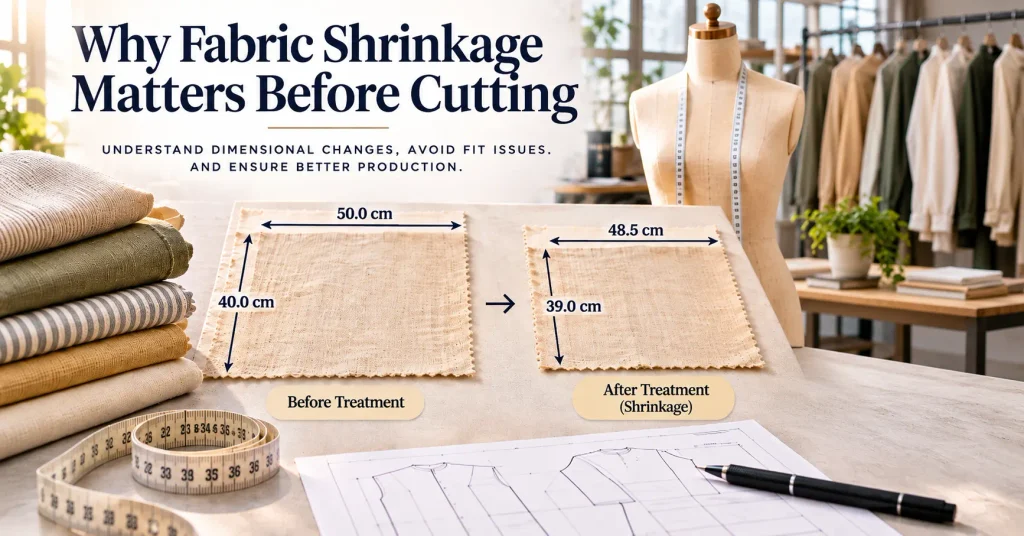
Why Fabric Shrinkage Matters Before Cutting
In garment manufacturing, fabric is often treated as the starting point of production. But fabric does not always remain exactly...
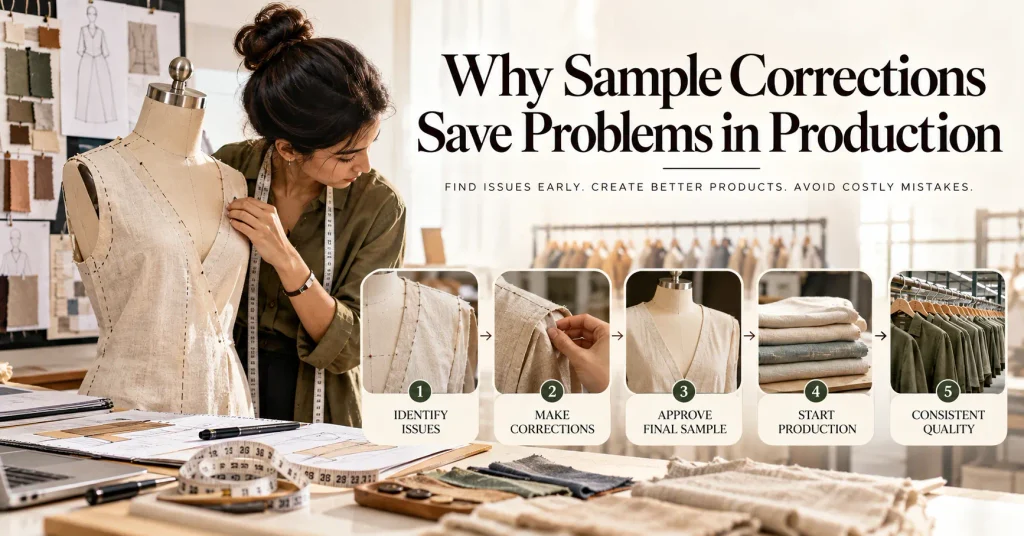
Why Sample Corrections Save Problems in Production
In fashion manufacturing, production does not really begin when hundreds or thousands of pieces enter the factory. It begins much...

Greater Noida’s International Fashion Fair: IFJAS 2025 and Zinnia India’s Award
The fashion industry is shaped not only by designers and brands but also by the manufacturers, exporters, artisans and businesses...